

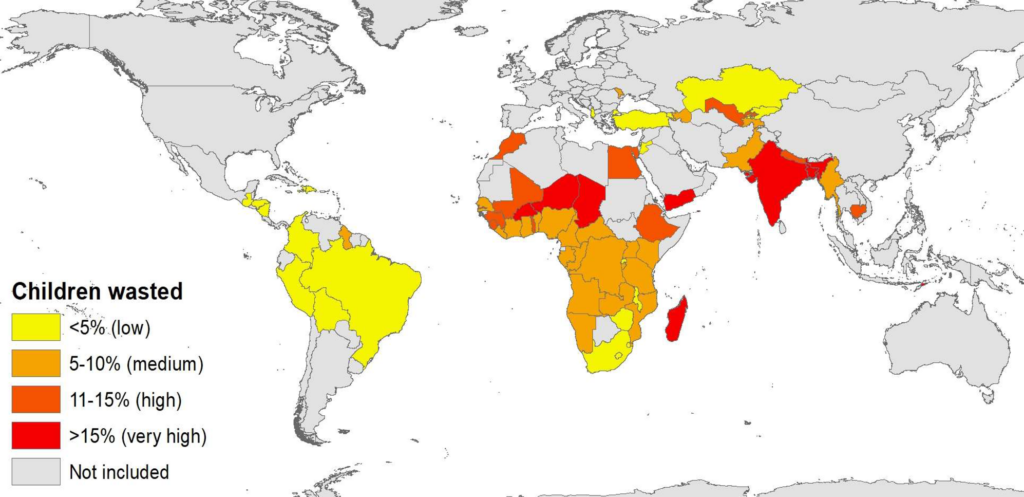
Malnutrition remains one of the most devastating threats to children worldwide, especially in regions torn apart by conflict, natural disasters, economic collapse, and displacement. Right now, there are millions of Children Facing Malnutrition in Crisis-Affected Countries, where daily survival is a struggle. Despite decades of progress in reducing child mortality, humanitarian crises still leave millions of children suffering from acute and chronic hunger. The fallout extends far beyond empty stomachs—it permanently damages physical growth, brain development, education, and future economic potential.
In crisis zones, families face a perfect storm: a lack of nutritious food, dirty water, collapsed healthcare, and unsafe living conditions. Humanitarian organizations warn that children under five are the most vulnerable, as severe malnutrition dramatically increases their risk of dying from otherwise treatable illnesses.
Malnutrition occurs when a person does not get the right balance of energy and nutrients. In emergency settings, undernutrition is the primary threat and shows up in four main ways:
Wasting: Low weight for height, indicating rapid and severe weight loss.
Stunting: Low height for age, caused by chronic, long-term undernutrition.
Underweight: Low weight for age, which can reflect both wasting and stunting.
Micronutrient Deficiencies: A severe lack of essential vitamins and minerals like iron, vitamin A, iodine, and zinc.
Children suffering from severe acute malnutrition become dangerously thin and weak. Without immediate treatment, their immune systems fail, leaving them highly vulnerable to fatal infections like pneumonia, diarrhea, and malaria.
While stunting is less visible, its scars last a lifetime. Chronic malnutrition during a child’s formative years impairs brain development, lowers school performance, and reduces earning potential in adulthood.
Humanitarian emergencies disrupt every aspect of daily life. Whether sparked by war, climate shocks, or economic ruin, these crises create a breeding ground for hunger.
War is the leading driver of global child hunger. Fighting destroys farms, shatters food supply chains, flattens clinics, and forces families to flee their homes. Displaced parents lose their livelihoods, making nutritious food unaffordable as local markets collapse.
Children in conflict zones frequently endure:
Extreme food shortages and famine-like conditions
A lack of basic healthcare and missed vaccinations
Contaminated water and poor sanitation
Severe psychological trauma
Extreme weather events—like prolonged droughts, flash floods, and intense heatwaves—are becoming more frequent and severe. In low-income nations where families rely on subsistence farming, a single drought can wipe out livestock, and a sudden flood can destroy an entire harvest. Children suffer first because families are forced to skip meals or cut out nutrient-rich foods.
When an economy collapses, skyrocketing inflation drives up food prices. To survive, low-income families cut expensive, nutrient-dense items like fruits, vegetables, dairy, eggs, and meat from their diets, relying instead on cheap, starchy staples. This quickly triggers severe vitamin and mineral deficiencies in developing children.
While entire populations suffer during a crisis, certain groups of children are at extreme risk:
Children Under Five: The first five years are critical for brain and body development. Nutritional deficits during this window cause irreversible damage to the immune system, motor skills, and learning capacity.
Displaced and Refugee Children: Forced from their homes, these children often end up in overcrowded temporary camps with poor sanitation and limited food, relying entirely on unpredictable humanitarian aid.
Children in Remote Areas: Families isolated by geography, war, or ruined infrastructure are frequently cut off from food aid, doctors, and life-saving nutritional programs.
Malnutrition attacks a child’s entire body, causing immediate hazards and lifelong setbacks.
| Consequence | Impact on the Child |
|---|---|
| Weakened Immunity | Mild illnesses like measles, malaria, or diarrhea become life-threatening. |
| Growth Failure | Stunting permanently prevents children from reaching their full physical potential. |
| Cognitive Damage | Leads to poor concentration, memory retention issues, and delayed language skills. |
Repeatedly hit by failed rainy seasons, countries like Somalia, Ethiopia, and Kenya have seen widespread crop failures and massive livestock deaths. For pastoral communities, dried-up water sources mean economic ruin. Health centers have seen a massive surge in severely malnourished children requiring emergency therapeutic feeding.
With basic necessities out of reach and clean water scarce, millions of Yemeni children face acute malnutrition, keeping emergency feeding centers overwhelmed.
South Sudan trapped in a cycle of conflict, mass displacement, and severe seasonal flooding. Floods frequently cut off entire communities, preventing aid agencies from delivering vital food and medical supplies, leading to dangerously high spikes in acute child malnutrition.
Aid agencies use targeted strategies to save lives during nutritional emergencies.
Frontline workers run community screenings to identify at-risk children. The ultimate game-changer in treating severe acute malnutrition is Ready-to-Use Therapeutic Food (RUTF). These nutrient-dense, peanut-based pastes are packed with the exact proteins, fats, vitamins, and minerals a starving child needs to recover. Because RUTF doesn’t require water or refrigeration, parents can treat their children at home without hospital admission.
Malnutrition and disease form a deadly cycle: dirty water causes diarrhea, which prevents nutrient absorption, worsening malnutrition. Humanitarian agencies break this cycle by investing in Water, Sanitation, and Hygiene (WASH) infrastructure, providing clean drinking water and hygiene education.
A child’s nutritional health begins in the womb. Pregnant and breastfeeding mothers in crisis zones face exhausting workloads and food shortages, risking low birth weights and infant illness. Protecting maternal health is foundational to preventing child malnutrition.
While emergency aid saves lives today, ending child malnutrition requires fixing its root causes:
Resilient Food Systems: Supporting local farmers with climate-smart agricultural techniques, better irrigation, and secure food storage helps communities survive future shocks.
Stronger Healthcare: Investing in primary clinics, routine childhood immunizations, and prenatal care keeps children healthy enough to fight off infections.
Education: Empowering communities with knowledge about breastfeeding, proper hygiene, and dietary diversity drives long-term health improvements.
Climate Adaptation: Developing drought-resistant crops and early-warning disaster systems helps vulnerable populations prepare for environmental shifts before they trigger a famine.
Child malnutrition in crisis-affected countries is a major global emergency, but it is not a hopeless one. While conflict, economic ruin, and climate change present massive challenges, proven tools like RUTF, clean water initiatives, and resilient farming practices can turn the tide. To guarantee every child the chance to grow, learn, and thrive, the international community must step up with sustained funding, political will, and a commitment to addressing both immediate hunger and its root causes.