

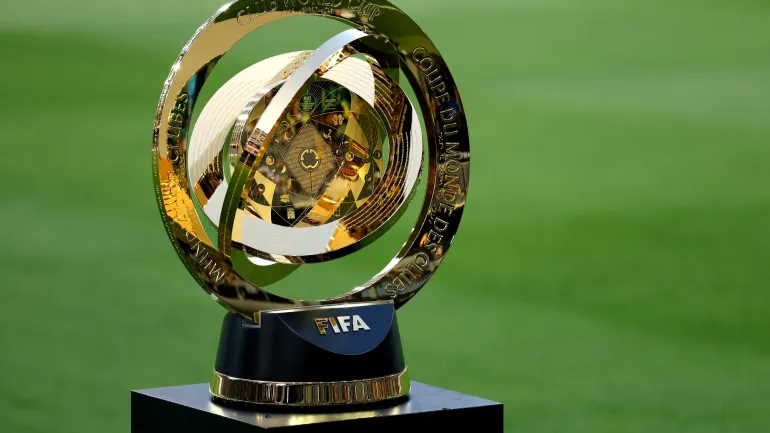
The FIFA World Cup stands as the most prestigious and widely celebrated international football tournament in the world. FIFA World Cup: The Pinnacle of International Football Excellence is not just a tournament; it is a symbol of sporting achievement and national pride. Organized by the Fédération Internationale de Football Association (FIFA), this global event brings together nations from every continent to compete for ultimate glory. Since its inception in 1930, the World Cup has evolved into a cultural phenomenon that transcends sport, uniting billions of fans and shaping global identity through football.
Every four years, the tournament captures the attention of the world, showcasing extraordinary talent, unforgettable moments, and intense national pride. From iconic goals to dramatic upsets, the FIFA World Cup is more than just a competition—it is a reflection of history, politics, culture, and human ambition.
The idea of a global football tournament emerged in the early 20th century as the sport gained international popularity. The first FIFA World Cup was held in Uruguay in 1930, featuring 13 teams. Uruguay not only hosted the tournament but also became its first champion.
Over the decades, the tournament has grown significantly in scale and complexity. What started as a modest competition has transformed into a global spectacle involving 32 teams (and expanding to 48 teams in future editions), advanced technology, and billions of viewers worldwide.
The FIFA World Cup follows a structured format designed to identify the best national team in the world. The competition begins with a qualification phase, where teams from different regions compete for a limited number of spots in the final tournament.
The final tournament consists of group stages followed by knockout rounds, culminating in the final match that determines the world champion.
The FIFA World Cup is the most-watched sporting event globally, surpassing even the Olympic Games in viewership. The 2018 World Cup, for example, attracted an estimated 3.5 billion viewers worldwide.
This immense popularity is driven by football’s universal appeal, accessibility, and emotional connection with fans. The tournament fosters a sense of unity and celebration, bringing together people from diverse backgrounds.
Throughout its history, certain nations have established themselves as powerhouses in international football. Brazil, Germany, Italy, and Argentina are among the most successful teams, consistently performing at the highest level.
Brazil holds the record for the most World Cup victories, with five titles, showcasing a legacy of excellence and flair.
The FIFA World Cup has been the stage for some of the greatest players in football history. Legends such as Pelé, Diego Maradona, Zinedine Zidane, and Lionel Messi have left an indelible mark on the tournament.
These players not only showcased exceptional skill but also delivered moments that defined entire generations of fans.
The World Cup is synonymous with unforgettable matches that capture the drama and unpredictability of football. From last-minute goals to penalty shootouts, these moments define the tournament’s legacy.
Hosting the FIFA World Cup brings significant economic and social implications. Countries invest billions in infrastructure, stadiums, and tourism development.
While the tournament can boost economic activity and global visibility, it also raises concerns about costs, sustainability, and long-term benefits.
Technology has played an increasingly important role in enhancing the fairness and experience of the World Cup. Innovations such as VAR, goal-line technology, and advanced analytics have transformed the game.
These advancements ensure more accurate decisions and provide deeper insights into player performance.
The FIFA World Cup is more than a sporting event—it is a cultural celebration that unites people across borders. Fans gather in stadiums, public viewing areas, and homes to share the excitement.
The tournament fosters cultural exchange, showcasing music, traditions, and national identities.
Despite its success, the World Cup has faced controversies, including issues related to corruption, human rights, and environmental concerns.
These challenges highlight the need for transparency and responsible management in organizing such a large-scale event.
The future of the FIFA World Cup looks promising, with plans to expand participation and embrace new technologies. The 2026 tournament will feature 48 teams, increasing inclusivity and global representation.
Additionally, efforts are being made to improve sustainability and reduce the environmental impact of the event.
The FIFA World Cup remains the ultimate symbol of excellence in international football. Its rich history, global reach, and cultural significance make it one of the most important events in the world.
From legendary players and unforgettable matches to economic impact and technological innovation, the tournament continues to evolve while preserving its core essence. It unites nations, inspires generations, and showcases the beauty of the game.
As the World Cup moves into the future, it will undoubtedly continue to captivate audiences and shape the global sporting landscape. Its enduring legacy is a testament to the power of football to bring people together and create moments that transcend time.