

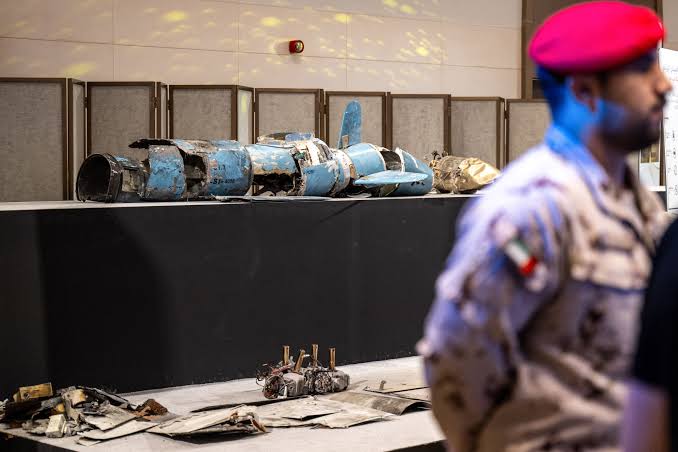
Rising Military Tensions Affecting Global Peace and Stability… The international security environment has become increasingly complex as military tensions rise across multiple regions of the world. Conflicts, geopolitical rivalries, arms competition, and disputes over territory and resources are reshaping global relationships and creating new challenges for peace and stability. While diplomacy and international institutions continue to play important roles in preventing escalation, the growing number of security flashpoints demonstrates how fragile global stability has become.
Military tensions affect far more than defense policies. They influence global trade, energy markets, humanitarian conditions, technological development, and economic growth. A conflict in one region can create consequences worldwide through disrupted supply chains, increased migration, rising commodity prices, and heightened uncertainty among investors and governments.
This article examines the major factors driving rising military tensions, explores significant regional examples, analyzes their impact on global peace and stability, and discusses potential pathways toward reducing conflict risks in the future.
For much of the post-Cold War era, many countries experienced a period of increasing economic integration and relatively stable international relations. However, recent years have witnessed renewed competition between major powers, regional conflicts, and growing concerns about military modernization.
Several factors contribute to today’s increasingly uncertain security environment:
These challenges interact with one another, creating a security environment where traditional military conflicts overlap with economic, technological, and information-based competition.
One clear indicator of increasing security concerns is the continued growth of global military expenditure. Countries around the world are investing heavily in defense modernization, advanced weapons systems, cyber capabilities, and military infrastructure.
Global defense spending has reached record levels in recent years, driven by concerns about regional conflicts, strategic competition, and changing security priorities. Governments argue that stronger military capabilities are necessary for national defense, while critics warn that arms competition can increase tensions and reduce resources available for social and economic development.
Major areas of military investment include:
Competition among major powers is one of the most significant factors influencing international security. Strategic disagreements between influential countries can affect alliances, trade relationships, and military planning around the world.
The Indo-Pacific region has become a major focus of global security discussions. Disputes involving maritime boundaries, military presence, and regional influence have increased tensions among several countries.
The region is economically important because it contains some of the world’s busiest trade routes. Any significant military confrontation could have consequences for international commerce, energy transportation, and global supply chains.
Relations between Russia and Western countries have deteriorated significantly due to disagreements over security arrangements, territorial issues, and military alliances. These tensions have contributed to increased defense spending among European countries and renewed discussions about regional security strategies.
The effects extend beyond Europe, influencing energy markets, food supplies, diplomatic relationships, and international cooperation.
Local conflicts can produce international effects when they involve strategic regions, major powers, or critical resources. Modern conflicts often involve not only traditional military operations but also economic sanctions, cyber operations, information campaigns, and diplomatic competition.
Rising military tensions frequently create severe humanitarian challenges. Armed conflicts can result in:
Millions of people worldwide have been affected by conflicts and instability, creating one of the largest humanitarian challenges of the modern era.
Technology has transformed the nature of warfare. Modern military competition increasingly depends on information systems, artificial intelligence, cybersecurity, and advanced communication networks.
Emerging technologies influencing security include:
While these technologies can improve defense capabilities, they also introduce new risks. Cyberattacks can disrupt essential infrastructure, and autonomous systems raise concerns about accountability and escalation control.
Nuclear weapons remain one of the most serious concerns for global peace and stability. Although nuclear deterrence has prevented direct conflict between major nuclear powers for decades, the existence of these weapons creates significant risks.
Key concerns include:
International agreements and diplomatic communication channels remain essential tools for reducing nuclear risks.