

Energy Sector Developments Impacting Global Economic Growth… Energy has always been one of the fundamental pillars of economic development. Every industry, from manufacturing and transportation to healthcare and digital services, depends on reliable and affordable energy to operate efficiently. As the global economy continues to evolve, the energy sector is experiencing profound changes driven by technological innovation, environmental concerns, geopolitical tensions, and shifting consumer preferences. These developments are reshaping investment patterns, influencing inflation, creating new industries, and redefining international trade.
In recent years, governments and businesses have accelerated investments in renewable energy, modernized electricity grids, expanded energy storage technologies, and explored alternative fuels such as hydrogen. At the same time, traditional energy sources—including oil, natural gas, and coal—continue to play essential roles in supporting economic activity. Balancing energy security, affordability, and sustainability has become one of the defining challenges for policymakers worldwide.
This article explores the most significant energy sector developments influencing global economic growth, highlighting emerging technologies, investment trends, real-world examples, and the opportunities and challenges facing countries as they transition toward a more sustainable energy future.
The energy sector serves as the backbone of virtually every economy. Reliable energy supplies support industrial production, transportation networks, communication systems, agriculture, and residential consumption. Energy prices directly influence inflation, production costs, consumer spending, and business profitability.
Major contributions of the energy sector include:
Because energy affects nearly every aspect of economic activity, developments within the sector often have global consequences that extend far beyond electricity generation or fuel production.
One of the most significant trends shaping today’s energy landscape is the rapid growth of renewable energy. Solar, wind, hydroelectric, and geothermal power are becoming increasingly competitive due to declining technology costs, supportive government policies, and growing investor confidence.
Solar photovoltaic systems have experienced dramatic cost reductions over the past decade, making them among the most affordable sources of electricity in many regions. Wind energy has also expanded rapidly, particularly in offshore installations where larger turbines generate substantial amounts of electricity.
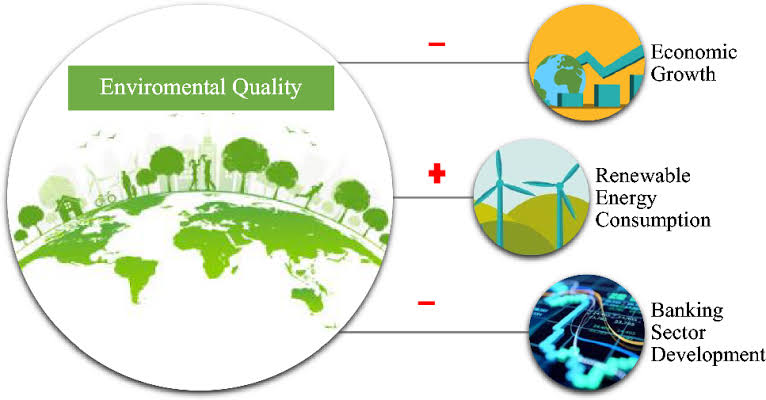
The expansion of renewable energy contributes to economic growth by creating new manufacturing industries, increasing construction activity, reducing fuel imports, and supporting long-term energy price stability.
Governments and private investors are directing record levels of capital toward clean energy infrastructure. Investments include renewable power plants, battery storage systems, smart electrical grids, electric vehicle charging networks, and hydrogen production facilities.
These investments stimulate economic activity by:
Large-scale infrastructure projects often produce multiplier effects throughout local economies by increasing demand for materials, transportation services, and professional expertise.
Despite the rapid expansion of renewable energy, oil and natural gas remain essential components of the global energy mix. Transportation, aviation, shipping, petrochemicals, and many manufacturing sectors continue to rely heavily on fossil fuels.
Oil price fluctuations influence inflation, household spending, and industrial production costs. Higher energy prices generally increase transportation expenses and manufacturing costs, while lower prices may stimulate consumer spending and business investment.
Natural gas has also become increasingly important as a transition fuel because it generally produces fewer greenhouse gas emissions than coal while providing reliable electricity generation.
Recent geopolitical events have highlighted the importance of diversified energy supplies. Many countries are reducing dependence on single suppliers by expanding domestic renewable energy production, increasing liquefied natural gas (LNG) imports, strengthening regional electricity interconnections, and investing in strategic energy reserves.
Energy security strategies now commonly include:
Greater energy resilience reduces economic vulnerability during supply disruptions and improves long-term investment confidence.
Electricity networks are becoming increasingly intelligent through the adoption of smart grid technologies. Advanced sensors, digital monitoring systems, artificial intelligence, and automated control systems improve the efficiency and reliability of electricity distribution.
Smart grids allow utilities to integrate larger amounts of renewable energy while reducing transmission losses and improving outage management. Consumers also benefit from real-time energy monitoring and more flexible electricity pricing.
Several countries have invested heavily in offshore wind projects to diversify electricity generation and stimulate economic development. Offshore wind farms create employment opportunities in engineering, marine construction, manufacturing, maintenance, and logistics while supplying large quantities of renewable electricity to growing urban populations.
These projects demonstrate how clean energy investments can simultaneously support environmental objectives and economic expansion.
The transition toward electric vehicles has stimulated investment across multiple industries beyond automobile manufacturing. Battery production, mining, charging infrastructure, semiconductor manufacturing, software development, and renewable electricity generation all benefit from increased electric vehicle adoption.
This interconnected ecosystem illustrates how innovation in one energy-related sector can generate widespread economic activity across global supply chains.
Technological innovation continues to transform the global energy landscape. Advances in digitalization, artificial intelligence, battery storage, hydrogen production, and carbon capture technologies are improving efficiency while reducing environmental impacts.
These technologies improve operational efficiency, lower maintenance costs, and support the integration of intermittent renewable energy sources into modern electricity systems.