

In 2026, the way we fight wars has changed. Battles are no longer fought on distant fields but in the heart of crowded cities. The Profound Humanitarian Impact of War on Civilian Populations is now more evident than ever. While military leaders talk about “targets” and “gains,” the real cost of war is seen in the ruined lives of everyday people. Civilians were once seen as bystanders, but today, they are often the main victims of violence.
The impact of war is not a single event. It is a chain of crises that touches every part of life. it starts with the immediate danger of bombs. Over time, it turns into a long struggle with homelessness, sickness, and mental pain. As we look at the world today, it is clear that helping the millions of people caught in these conflicts is our biggest challenge. This article looks at how war deeply harms the people who do not start them.
One of the worst results of war is the destruction of hospitals and clinics. Under international law, these places should be safe. However, they are often caught in the crossfire or even attacked on purpose. When healthcare fails, more people die from simple sicknesses than from actual weapons.
Data from 2024 and 2025 shows a grim reality in the Middle East and Africa. For every person killed by a bomb or bullet, up to nine others die from things we could have fixed. This includes a lack of medicine, poor care for mothers, or stopping treatment for long-term illness. War creates a “medical void.” Simple infections become deadly, and doctors are forced to operate without the right tools. When medical staff flee or are killed, the community loses its safety net for years.
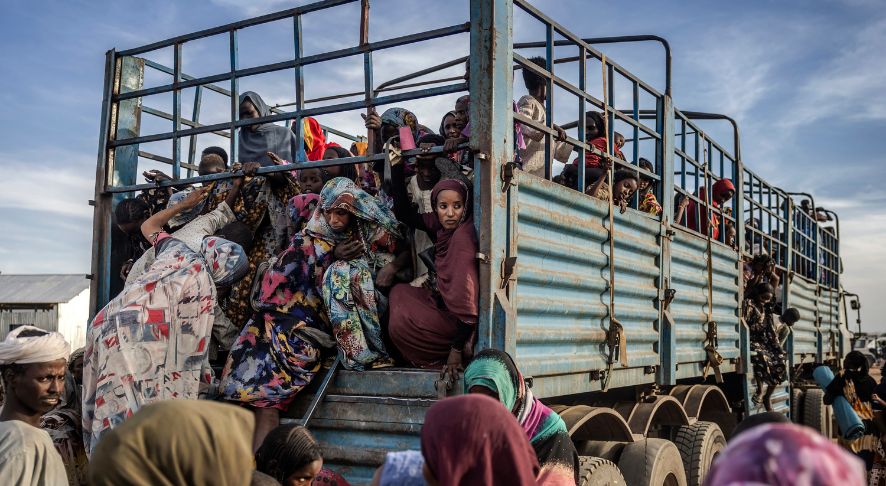
War is the main reason people are forced to move. When the choice is “leave or die,” millions walk away with only what they can carry. This creates two groups: Refugees, who cross into other countries, and Internally Displaced Persons (IDPs), who stay in their own country but have no home.
By early 2026, the number of people forced from their homes reached 120 million. Moving is not just a change of address; it is the loss of a person’s identity and job. Refugees often face a hard life in new countries. IDPs usually end up in crowded camps where they are at risk of more violence. Children raised in these camps often miss school, which makes it harder for their country to recover later.
In modern wars, hunger is often used to control people. “Siege warfare”—cutting off food, water, and power—has returned to the world stage. Even if it isn’t on purpose, war ruins farming. Farmers cannot plant seeds in fields full of mines, and they cannot get the tools they need.
Hunger is hardest on children. Poor diet when young leads to “stunting,” which harms a child’s body and mind forever. Reports from 2025 show that even after a war stops, food prices stay 300% higher than before. When grain silos are bombed and soil is ruined, the impact on a nation’s health lasts much longer than the fighting.
Physical scars are easy to see, but the mental harm of war is a “silent epidemic.” Living under constant bombs and losing loved ones creates deep trauma. For children, the stress of war can actually change how their brains grow, leading to life-long struggles.
Conditions like PTSD, anxiety, and depression are found everywhere in war zones. In 2026, aid groups are trying to focus more on mental health. However, in many places, there is a stigma around mental illness. There are also not enough experts to help the millions of people suffering. This shared pain can lead to more hate and future wars if it isn’t treated.
War is never fair to women. They face unique and terrible risks, including sexual violence used as a tool of war. When the law breaks down, women become targets for trafficking and abuse.
Beyond violence, women often carry the heavy burden of keeping their families alive. They become the ones searching for water or wood in dangerous areas. In 2025, reports showed a rise in women being forced to trade their dignity for food or safety. Protecting women is not just about human rights; it is the only way a society can truly heal after a conflict.
War is a thief for children. It takes their school, their safety, and their fun. In 2026, one in six children lives in a war zone. This harm lasts for generations. When schools are closed, a child’s future is limited, which makes it harder for the whole country to grow.
The use of child soldiers is still a major problem. Armed groups take advantage of kids who are alone or lost. Even those who aren’t forced to fight are changed by what they see. When a child grows up seeing violence as the only way to get power, they are more likely to fight when they are adults. This keeps the cycle of war going forever.
War also hurts the “soul” of a country. Attacking museums and holy sites is an attempt to wipe out a group’s history. This is also makes it much harder for people to live together again after the war.
War also destroys trust between neighbors. Different groups are often told to hate each other. In 2026, many places remain split by fear. Rebuilding a bridge or a school is a simple task. Rebuilding the trust between people who were once enemies is the work of a lifetime.
The crisis doesn’t end when the fighting stops. War leaves behind a “toxic legacy” of unexploded bombs and landmines. For decades, farmers and children are killed by these hidden dangers.
Nature also suffers. Bombing factories can poison the water and soil with chemicals. The heavy fuel used by armies also harms the local climate. In 2026, “environmental peace” is a new focus. We now realize that a poisoned land cannot support a people who want to come home and start over.
The harm war does to people is a tragedy that needs the whole world’s help.
Protecting civilians is not just an act of kindness; it is the law. In 2026, the world must put people first. We must ensure that those who did not start the war are not the ones who pay the ultimate price.