

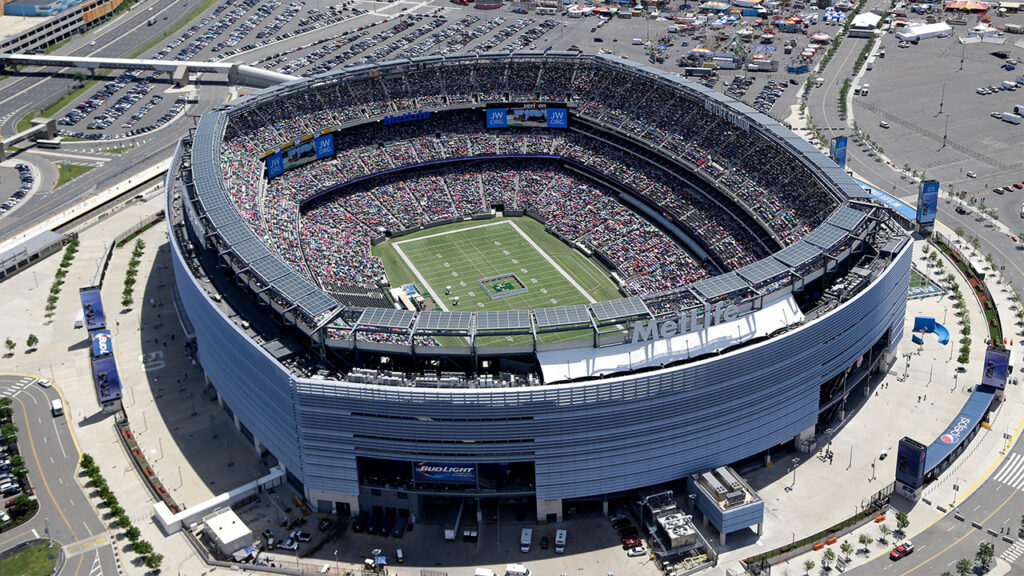
The 2026 FIFA World Cup will be the largest football tournament ever organized, and one of its most important locations will be the New York New Jersey venue selected to host the tournament final. As the global football community prepares for an expanded 48-team competition across the United States, Canada, and Mexico, the New York metropolitan region will stand at the center of international attention.
The New York New Jersey venue, officially centered around MetLife Stadium in East Rutherford, New Jersey, represents far more than a football stadium. It symbolizes the commercial power, cultural diversity, media influence, and global connectivity that FIFA hopes to showcase during the 2026 World Cup.
Hosting the World Cup final is a massive responsibility. The event will attract millions of viewers worldwide, tens of thousands of international visitors, and unprecedented levels of media coverage. For the New York New Jersey region, the tournament represents a major opportunity to strengthen tourism, infrastructure, economic growth, and football culture.
This article explores the significance of the World Cup 2026 New York New Jersey venue, including the stadium itself, infrastructure planning, transportation systems, economic impact, security preparation, tourism expectations, fan experience, sustainability efforts, and the long-term legacy of hosting football’s biggest event.
When FIFA selected the New York New Jersey region as the host for the 2026 FIFA World Cup final, the decision reflected several strategic factors.
The region offers:
Few cities in the world possess the same level of international recognition as New York City. Combined with New Jersey’s sports infrastructure and transportation access, the region provides FIFA with a globally recognizable stage for the tournament’s biggest match.
The final match of the FIFA World Cup is one of the most watched sporting events on Earth. Billions of viewers are expected to watch the 2026 final, making venue selection critically important.
The primary stadium for the New York New Jersey World Cup venue is MetLife Stadium, located in East Rutherford, New Jersey.
The stadium opened in 2010 and serves as the home of the NFL’s New York Giants and New York Jets.
MetLife Stadium has already hosted:
This experience handling massive crowds played a major role in FIFA’s decision.
FIFA evaluates numerous criteria when selecting a World Cup final venue.
MetLife Stadium offered several advantages:
The New York metropolitan area also provides unmatched visibility for sponsors, broadcasters, and international tourism promotion.
Although matches will take place in New Jersey, New York City itself will play a central role in the tournament atmosphere. New York is expected to become one of the largest fan and media hubs during the World Cup.
New York City is one of the world’s most important media centers. Major international broadcasters, sports networks, and digital media companies operate extensively within the city.
During the tournament, New York will likely host:
The city’s iconic landmarks and skyline will feature heavily in World Cup promotional coverage.
New York is one of the world’s most culturally diverse cities, with large immigrant communities from football-loving nations across Europe, South America, Africa, and Asia.
This diversity creates a unique football atmosphere unlike almost anywhere else in the United States. Fans from around the world already gather in New York to support international football clubs and national teams. The World Cup will amplify this global energy dramatically.
One of the biggest logistical challenges facing the New York New Jersey venue involves transportation. Moving tens of thousands of fans efficiently to and from matches requires extensive coordination.
The New York metropolitan area possesses one of the largest transportation systems in the world.
Key transportation options include:
Major airports serving the region include:
These airports are expected to handle large volumes of international visitors during the tournament.
Traffic congestion remains a serious concern. The region already experiences heavy daily traffic, and the World Cup will dramatically increase transportation demand.
Officials are expected to implement:
Efficient transportation planning will be essential to tournament success.
The economic impact of the 2026 World Cup on New York and New Jersey could be enormous. Large sporting events often generate billions of dollars through tourism, hospitality, retail spending, and media exposure.
Millions of visitors are expected across North America during the World Cup, with the New York metropolitan area likely attracting one of the largest concentrations.
Economic benefits may include:
Tourists often extend their stays beyond match days, increasing broader tourism revenue.
The tournament may create thousands of temporary and long-term jobs.
Employment opportunities may involve:
Many local businesses expect major financial benefits from the tournament.
Hosting the FIFA World Cup final requires extraordinary security preparation.
The event will involve high-profile athletes, political figures, celebrities, and massive crowds.
Federal, state, and local agencies are expected to cooperate extensively during the tournament.
Modern sports security increasingly relies on advanced technologies.
Possible systems may include:
Cybersecurity experts will also play a major role in protecting digital systems connected to ticketing, broadcasting, and infrastructure operations.
Creating an unforgettable fan experience is a major priority for FIFA and local organizers.
New York City is expected to host large fan zones and public viewing areas throughout the tournament.
These areas may include:
Such events help create a festival atmosphere extending beyond the stadium itself.
The World Cup final attracts global business leaders, celebrities, and VIP guests.
Premium hospitality offerings may include:
These hospitality packages often generate significant revenue for organizers.
The 2026 FIFA World Cup is expected to become the most technologically advanced tournament ever held.
MetLife Stadium may utilize advanced systems such as:
Fans increasingly expect seamless digital experiences during major sporting events.
Billions of viewers worldwide will watch the tournament through television and streaming platforms.
Broadcast innovations may include:
The New York market’s strong media infrastructure makes it ideal for advanced global broadcasting operations.
Sustainability has become increasingly important for global sporting events. Organizers face pressure to minimize environmental impact while managing massive crowds and international travel.
Potential environmental initiatives may include:
Despite sustainability efforts, the World Cup’s scale creates environmental concerns. International air travel associated with the tournament will generate substantial carbon emissions. Balancing economic benefits with environmental responsibility remains a major challenge for organizers.
Football has grown rapidly in popularity across the New York metropolitan area over the past two decades.
The region already supports professional football through:
Attendance, television ratings, and youth participation continue increasing steadily.
The World Cup could accelerate football’s growth even further.
The tournament may inspire a new generation of players in the region.
Potential long-term effects include:
Large international tournaments often leave lasting cultural influence on younger fans.
The New York New Jersey region is one of the world’s most valuable commercial markets. This makes the World Cup final highly attractive for sponsors and advertisers.
Major global brands are expected to invest heavily in:
The commercial visibility associated with the World Cup final is enormous.
The tournament offers host cities worldwide exposure through:
New York’s iconic image enhances the tournament’s global appeal significantly.
Summer weather in the New York New Jersey region can be unpredictable.
Potential issues include:
Organizers must prepare contingency plans for weather-related disruptions.
New York is one of the world’s most expensive cities.
Visitors may face high costs involving:
Affordability concerns could affect some fans hoping to attend the tournament.
Hosting the FIFA World Cup final is about more than sports. It represents cultural prestige and international recognition. The New York New Jersey venue will become the center of global attention during one of the world’s largest sporting events. The final may also symbolize football’s growing importance in the United States.
For decades, American sports culture was dominated by football, basketball, baseball, and hockey. However, football’s popularity has expanded rapidly due to immigration, global media, youth participation, and international club competitions.
The World Cup final in the New York region could become a defining moment in American football history.
The tournament’s impact will likely continue long after the final whistle.
Potential long-term benefits may include:
Successful hosting could strengthen the region’s reputation as a destination for future international sporting events.
The World Cup may also accelerate football’s integration into mainstream American sports culture.
The World Cup 2026 New York New Jersey venue represents one of the most important locations in modern football history. Centered around MetLife Stadium and supported by the enormous cultural and economic influence of New York City, the venue will host the final of the biggest FIFA World Cup ever organized.
The tournament will bring together millions of fans, athletes, media organizations, sponsors, and tourists from around the world. It will showcase not only elite football competition but also major advancements in infrastructure, transportation, security, digital broadcasting, and fan engagement.
At the same time, organizers face significant challenges involving transportation logistics, cybersecurity, sustainability, crowd management, and affordability.
Ultimately, the New York New Jersey World Cup venue symbolizes football’s continued global growth and its increasing influence within the United States. The 2026 final will likely become one of the most watched and culturally significant sporting events ever held in North America.
For football fans worldwide, the New York New Jersey venue will stand as the stage where history is made, legends are remembered, and the future of global football takes another major step forward.