

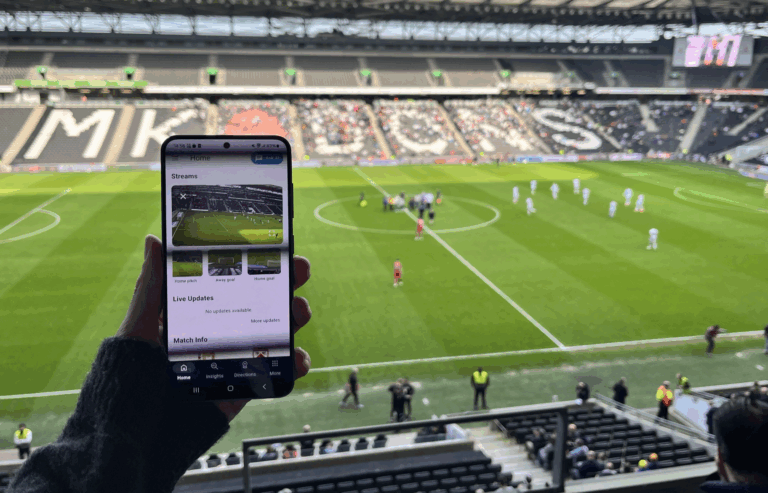
The sports entertainment industry is experiencing a major digital transformation, and one of the most exciting innovations is the introduction of augmented reality (AR) jersey filters in stadiums powered by 5G wireless networks. AR Jersey Filters Deployed Across 5G Network Stadiums allow fans to virtually wear their favorite team’s jersey, personalize player uniforms, unlock interactive content, and enjoy live events in entirely new ways using smartphones, smart glasses, or official stadium apps.
Augmented reality enhances the real world by adding digital elements through connected devices. Unlike virtual reality, which creates a completely digital environment, AR blends virtual content with the user’s surroundings. This includes graphics, animations, player statistics, and interactive features.
Sports organizations are increasingly using AR to improve the fan experience both inside and outside stadiums. Among the many applications, AR jersey filters have become one of the most popular because they combine entertainment, personalization, and social media sharing into one engaging experience.
AR jersey filters are digital effects that allow fans to see themselves wearing a virtual sports jersey through their device’s camera. Using computer vision and body-tracking technology, these filters recognize body shape, posture, and movement to display realistic jerseys that move naturally with the user.
Today’s AR filters do much more than simply overlay a jersey. They can instantly change team colors, display custom player names and numbers, animate team logos, and even react to live game moments like goals, touchdowns, or home runs.
Key features include:
5G technology provides the speed, low latency, and network capacity needed to support advanced AR experiences in crowded stadiums.
Traditional mobile networks often become overloaded when thousands of fans simultaneously upload photos, stream videos, or use interactive apps. A stadium-wide 5G network solves many of these challenges by offering faster connections and quicker response times.
Benefits of 5G-powered stadiums include:
Several advanced technologies work together to deliver a smooth AR experience.
Artificial intelligence identifies the user’s body shape, shoulder position, torso size, and movements to accurately place the virtual jersey.
As users walk, jump, cheer, or move around, the digital jersey adjusts naturally to match every movement.
Many processing tasks are handled in cloud servers connected through high-speed 5G networks. This reduces the workload on smartphones and improves performance.
Edge computing processes data closer to the stadium, reducing delays and making AR effects appear almost instantly.
AI enhances personalization by recommending favorite players, suggesting jersey styles, and adapting visual effects based on fan preferences and previous interactions.
AR jersey filters make attending a sporting event more interactive and enjoyable.
Benefits include:
Fans can switch between home, away, retro, or special-edition jerseys with a single tap, creating memorable experiences without changing clothes.
Sports teams and venue operators also benefit from AR technology by improving fan engagement while creating new business opportunities.
Advantages include:
Virtual merchandise also allows fans to preview official jerseys before purchasing physical products.
Digital experiences are becoming an important source of revenue for sports organizations. AR jersey filters open several new monetization opportunities.
Examples include:
These offerings provide additional revenue while giving fans unique digital experiences alongside traditional merchandise.
Social media plays a major role in modern sports culture. AR jersey filters encourage fans to create and share personalized content before, during, and after games.
Special effects such as animated confetti, crowd chants, score overlays, and celebration graphics transform ordinary selfies into engaging content that helps teams reach larger audiences through fan-generated posts.
Imagine a football stadium equipped with a dedicated 5G network. Before kickoff, fans open the team’s official app and activate an AR jersey filter.
The application recognizes each supporter, displays the current season’s jersey, and allows customization with favorite player names. When the home team scores, animated effects appear on the virtual jersey in sync with the stadium scoreboard. Thanks to the fast 5G connection, fans can instantly record and share videos without noticeable delays.
As a result, the club experiences higher app engagement, longer user sessions, and increased interest in official merchandise.
A modern arena hosting basketball games, concerts, and esports tournaments introduces flexible AR filters that automatically adapt to each event.
Basketball fans receive virtual team jerseys, while concert attendees unlock artist-themed digital effects and exclusive virtual merchandise.
This flexible system allows the venue to maximize its technology investment throughout the year while creating engaging experiences for different audiences.
Reliable AR experiences require a strong technical foundation.
Key components include:
Together, these technologies ensure smooth performance even when tens of thousands of spectators are connected simultaneously.
Since AR systems process images and user interactions, protecting personal information is a top priority.
Organizations should implement:
Strong cybersecurity practices help protect user information while building trust among fans.
AR experiences should be designed for everyone.
Applications should offer readable text, simple navigation, multilingual support, and accessibility features that make the technology easy to use for people with different abilities.
Inclusive design helps ensure every fan can enjoy the digital experience.
Despite its many advantages, AR technology still faces several challenges.
These include:
Sports organizations must carefully balance innovation with cost, performance, and user satisfaction.
Investment in augmented reality continues to grow across industries such as sports, retail, healthcare, education, and manufacturing. At the same time, 5G deployment is expanding globally, making advanced mobile experiences more accessible.
Sports organizations are investing more in digital engagement because today’s fans expect personalized and interactive experiences. Younger audiences, in particular, show strong interest in AR features, gamification, and digital collectibles, making these technologies an important part of future fan engagement strategies.
The next generation of AR jersey filters will likely move beyond smartphones to smart glasses and mixed-reality headsets.
Future systems may display player statistics, multilingual commentary, seat directions, concession offers, and personalized loyalty rewards directly within the fan’s field of view.
Artificial intelligence will further personalize these experiences by recommending content based on favorite teams, players, attendance history, and live game events.
Future developments may include:
These innovations could significantly change how fans experience live sporting events and strengthen the connection between teams and supporters.
Organizations introducing AR jersey filters should focus on delivering reliable, user-friendly experiences.
Best practices include:
AR jersey filters powered by 5G networks are changing the way fans experience live sports. By combining artificial intelligence, computer vision, cloud computing, edge processing, and high-speed wireless connectivity, these solutions create immersive experiences that benefit fans, teams, and stadium operators alike. As 5G networks continue to expand and AR technology becomes more advanced, digital jerseys and interactive experiences are expected to become standard features at sporting events. Organizations that invest in reliable infrastructure, user privacy, accessibility, and engaging digital content will be better positioned to increase fan loyalty, strengthen brand engagement, and create sustainable new revenue opportunities.