

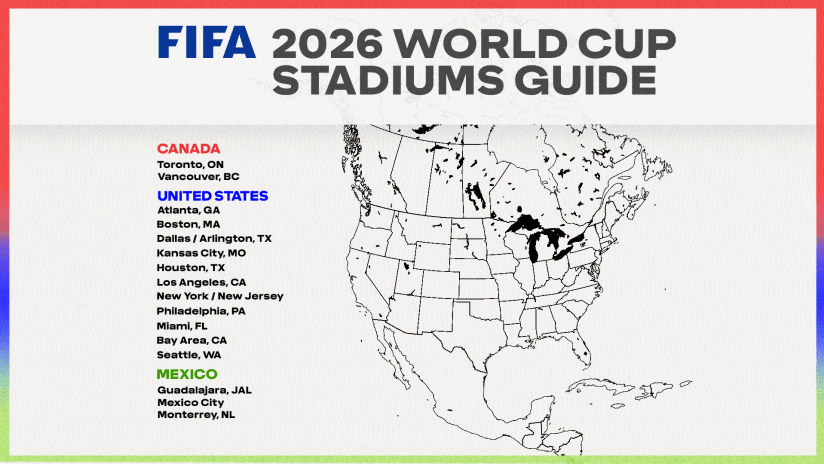
The FIFA World Cup 2026 is set to be one of the most ambitious and historic sporting events ever organized. For the first time in FIFA World Cup history, the tournament will be jointly hosted by three countries: the United States, Canada, and Mexico. This groundbreaking collaboration marks a significant milestone in international football and promises to deliver an unforgettable experience for players, fans, and host communities alike. In this FIFA World Cup 2026 Host Cities and Stadium Guide, we will explore everything you need to know about the locations and venues making history.
The 2026 tournament will also introduce a new format featuring 48 national teams instead of the traditional 32. This expansion will result in more matches, more host cities, and greater global participation. With matches spread across 16 host cities and some of North America’s most iconic stadiums, the event is expected to attract millions of visitors and billions of television viewers worldwide.
This guide provides a detailed overview of the FIFA World Cup 2026 host cities and stadiums, highlights key attractions, explores economic impacts, and offers valuable insights for fans planning to attend the world’s biggest football tournament.
The FIFA World Cup 2026 represents a new chapter in football history.
Key tournament facts include:
The tournament is designed to expand football’s global reach while showcasing the cultural diversity and sporting infrastructure of North America.
The United States will host the majority of World Cup matches and provide 11 of the 16 host cities. The country possesses some of the world’s largest sports venues and a highly developed transportation infrastructure.
Many host stadiums are home to National Football League (NFL) teams and regularly accommodate crowds exceeding 70,000 spectators.
Canada will host matches in two major cities, highlighting the country’s growing football culture and modern sporting facilities.
The tournament provides an opportunity for Canada to showcase its diverse cities and increasing investment in soccer development.
Mexico becomes the first nation in history to host World Cup matches in three different tournaments, having previously hosted the events in 1970 and 1986.
Mexican host cities bring rich football traditions, passionate fan bases, and iconic stadiums to the competition.
Located in East Rutherford, New Jersey, MetLife Stadium will host the FIFA World Cup 2026 Final.
Key highlights include:
Fans visiting the area can explore Times Square, Central Park, Broadway, and numerous cultural landmarks.
SoFi Stadium is one of the most technologically advanced sports venues in the world.
Features include:
Los Angeles offers visitors beaches, entertainment venues, Hollywood attractions, and diverse culinary experiences.
AT&T Stadium in Arlington, Texas, is expected to host one of the largest numbers of World Cup matches.
The venue is known for:
Dallas is positioned as a major football hub during the tournament.
Houston’s NRG Stadium combines excellent infrastructure with one of the most diverse populations in North America.
The city has a strong football community and significant experience hosting major international sporting events.
Miami’s tropical climate and international atmosphere make it one of the most attractive host destinations.
Visitors can enjoy:
Hard Rock Stadium regularly hosts major sporting and entertainment events.
Mercedes-Benz Stadium is recognized for its innovative design and sustainability initiatives.
The venue features:
Seattle is known for its passionate football supporters and impressive stadium atmosphere.
Lumen Field consistently ranks among the loudest and most energetic sporting venues in North America.
Philadelphia offers a rich sports culture and historic attractions.
Visitors can combine World Cup matches with visits to:
Gillette Stadium will represent the New England region during the tournament.
The venue provides modern facilities and convenient access to Boston’s historical landmarks and educational institutions.
Kansas City has developed a strong football identity through successful professional and grassroots programs.
Arrowhead Stadium is internationally recognized for its enthusiastic crowds and electric atmosphere.
Levi’s Stadium in Santa Clara offers cutting-edge technology and sustainability features.
Nearby attractions include:
Toronto is Canada’s largest city and a multicultural global destination.
BMO Field will undergo enhancements to accommodate World Cup requirements.
Tourist attractions include:
BC Place is one of Canada’s premier sports venues.
Features include:
Vancouver’s natural beauty provides a unique backdrop for World Cup festivities.
Estadio Azteca is one of the most legendary football stadiums in the world.
Historic achievements include:
The stadium will become the first venue in history to host matches in three separate FIFA World Cups.
Guadalajara is considered one of Mexico’s football capitals.
The city is famous for:
Estadio BBVA is among the most modern football-specific stadiums in North America.
The venue combines advanced architecture with spectacular mountain views.
The tournament is expected to generate billions of dollars in economic activity across North America.
Economic benefits include:
Major sporting events often leave lasting economic and social legacies in host communities.
Past FIFA World Cups have demonstrated substantial economic impacts.
Host countries frequently experience:
The scale of the 2026 tournament suggests an even larger economic footprint due to its expanded format and multinational hosting arrangement.
One unique aspect of the 2026 World Cup is the significant geographic distance between host cities.
Fans should prepare for travel planning across three countries.
Advanced planning will help visitors maximize their World Cup experience while minimizing travel stress.
The World Cup offers much more than football matches.
Host cities are expected to organize:
These activities create a festive atmosphere that extends beyond the stadiums.
Many host cities are investing in sustainable infrastructure and transportation improvements.
Areas of focus include:
These investments may provide long-term benefits long after the tournament concludes.
The FIFA World Cup 2026 is expected to feature advanced technologies designed to improve the fan experience.
Examples include:
Technology will play a major role in connecting global audiences to the tournament.
Several venues stand out as must-visit destinations for football enthusiasts.
Each stadium offers a unique combination of football culture, local identity, and spectator experience.
The tournament is expected to leave a lasting legacy across North America.
Potential long-term benefits include:
The event may also accelerate football’s popularity in regions where the sport continues to expand rapidly.
The FIFA World Cup 2026 represents a historic moment for global football. With 16 host cities spread across the United States, Canada, and Mexico, the tournament will showcase some of North America’s most impressive stadiums, vibrant urban centers, and passionate football communities. The expanded 48-team format promises more matches, greater international participation, and unprecedented opportunities for fans to experience the world’s most popular sporting event.
From the historic Estadio Azteca in Mexico City to the state-of-the-art MetLife Stadium in New Jersey, each venue contributes its own unique character to the tournament. Beyond the matches themselves, visitors will enjoy cultural attractions, economic opportunities, technological innovations, and unforgettable fan experiences. As anticipation builds, FIFA World Cup 2026 is poised to become one of the largest and most memorable sporting events ever held, leaving a lasting legacy for football and the host nations alike.