

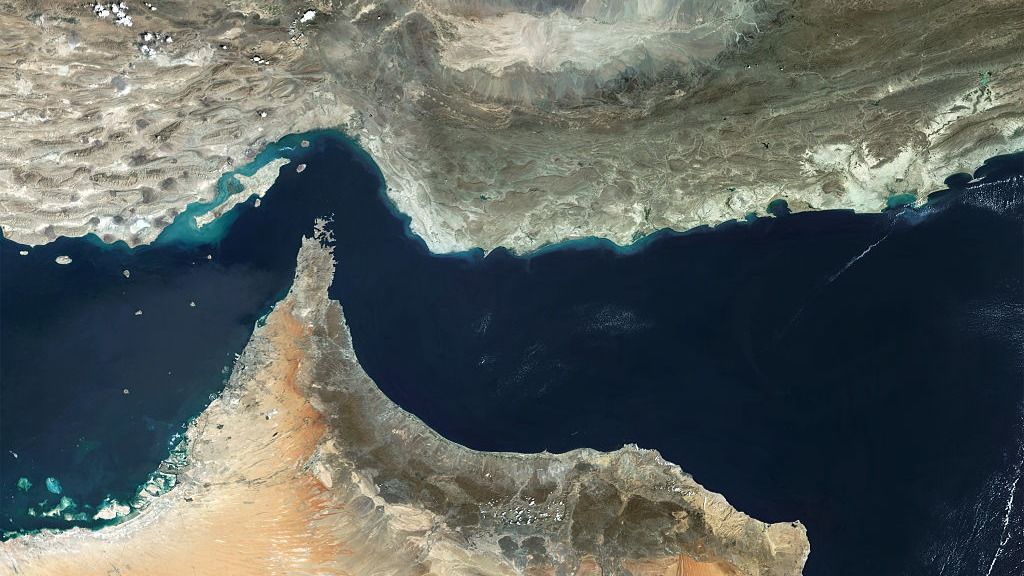
The Strait of Hormuz has long been one of the most strategically important maritime chokepoints in the world. In recent developments, Iran Proposes Reopening the Strait of Hormuz. It connects the Persian Gulf with the Gulf of Oman and the Arabian Sea, serving as the primary export route for oil and liquefied natural gas (LNG) from several major producing nations in the Middle East.
Recent discussions and diplomatic signals suggesting that Iran may propose reopening or easing tensions around the Strait of Hormuz have sparked global attention. Any shift in the status of this waterway carries enormous implications for international energy markets, military security, and global trade stability.
This article explores the geopolitical importance of the Strait of Hormuz, Iran’s strategic motivations, historical tensions in the region, economic consequences of disruption or reopening, and how global powers might respond. It also examines case studies of past crises and the broader implications for energy security in an increasingly unstable world.
The Strait of Hormuz is one of the most critical energy transit points on Earth. At its narrowest point, it is only about 33 kilometers wide, with shipping lanes even narrower, making it highly vulnerable to military or political disruption.
Approximately one-fifth of global oil consumption passes through the Strait of Hormuz each day. This includes exports from major producers such as:
According to international energy agencies, between 17 and 20 million barrels of oil pass through the strait daily under normal conditions. This makes it one of the most economically significant chokepoints in global trade.
Any disruption—whether through military conflict, political blockade, or shipping restrictions—can cause immediate spikes in global oil prices and widespread economic instability.
Iran occupies a unique geographic position in relation to the Strait of Hormuz. It controls the northern coastline of the strait and maintains significant military capabilities in the region, including naval forces, missile systems, and fast-attack boats.
Iran has historically used the strait as a strategic bargaining tool in its geopolitical negotiations with Western powers, particularly the United States and its allies.
When Iranian officials propose reopening or stabilizing the Strait of Hormuz, such statements are often interpreted through the lens of diplomacy, deterrence, or strategic signaling rather than purely economic intent.
The phrase “reopening the Strait of Hormuz” can be interpreted in several ways depending on geopolitical context.
In most cases, the strait is not fully closed in a literal sense. Instead, “closure” refers to heightened tensions, restricted shipping safety, military escalation, or threats to maritime navigation.
Reopening could therefore mean:
Even limited disruptions in the strait can significantly affect global markets due to uncertainty rather than physical blockage alone.
The Strait of Hormuz has experienced multiple periods of tension and confrontation, particularly during times of regional conflict or sanctions pressure.
One of the most significant periods of instability occurred during the Iran-Iraq War, particularly the “Tanker War” phase.
Both sides targeted oil tankers and commercial shipping, leading to:
The United States and other Western powers intervened to protect shipping lanes, marking one of the earliest major international military involvements in the Gulf maritime corridor.
During heightened sanctions pressure on Iran, officials suggested that the strait could be blocked in response to oil export restrictions.
This led to:
Although no closure occurred, the incident demonstrated how political rhetoric alone can influence global markets.
In 2019, several commercial tankers were attacked in the Gulf region, raising fears of escalation. The United States and other countries attributed responsibility to regional actors, while Iran denied direct involvement.
These incidents led to:
These events reinforced the fragility of maritime stability in the region.
Iran’s potential proposal to reopen or stabilize the Strait of Hormuz could be driven by multiple strategic motivations.
International sanctions have significantly impacted Iran’s economy, particularly its oil exports.
By promoting stability in the strait, Iran may seek:
Proposals related to maritime stability can serve as diplomatic signals aimed at reducing tensions with global powers.
Such signals may indicate willingness to engage in negotiations over broader geopolitical issues, including nuclear agreements and regional security frameworks.
By positioning itself as a stabilizing force in the Strait of Hormuz, Iran may aim to strengthen its regional diplomatic influence.
This could allow Iran to:
The Strait of Hormuz is not only a regional issue—it is a global economic lifeline.
Key industries affected include:
Even minor disruptions can cause ripple effects across global economies.
Oil markets are extremely sensitive to geopolitical instability in the Strait of Hormuz. Historical examples show that even rumors of disruption can increase crude oil prices by several percentage points within hours.
Countries heavily dependent on imported oil—such as Japan, South Korea, India, and many European nations—are particularly vulnerable to price fluctuations.
During previous periods of heightened tension, global oil markets have reacted sharply.
For example, during the 2019 tanker incidents:
This demonstrates how geopolitical developments in the Strait of Hormuz translate directly into global financial impacts.
The Strait of Hormuz is one of the most militarized maritime regions in the world.
Key military actors include:
The presence of multiple military actors increases the risk of miscalculation or accidental escalation.
Iran has developed asymmetric naval strategies, including:
These systems are designed to deter larger naval forces by increasing the risk of engagement.
The importance of the Strait of Hormuz has prompted many countries to diversify energy routes and supplies.
Examples include:
Despite these efforts, the Strait remains irreplaceable for global oil logistics.
Any Iranian proposal related to the Strait of Hormuz would likely trigger responses from multiple global actors.
The United States prioritizes freedom of navigation and has historically deployed naval forces to protect shipping lanes.
US responses typically focus on:
China, Japan, and India depend heavily on Gulf oil imports and therefore favor stability in the strait.
These countries generally support diplomatic solutions that ensure uninterrupted energy flow.
The EU emphasizes maritime security and international law, often supporting multilateral diplomatic frameworks to reduce tensions.
Several possible outcomes could emerge depending on geopolitical reactions.
The Strait of Hormuz will remain a critical point in global energy geopolitics for the foreseeable future.
Key long-term trends include:
Even as energy transitions accelerate, oil remains a dominant global commodity, ensuring the strait’s continued relevance.
Iran’s proposal regarding the reopening or stabilization of the Strait of Hormuz highlights the ongoing geopolitical importance of one of the world’s most critical maritime chokepoints. The strait is not only essential for regional trade but also for global energy security, influencing oil prices, international diplomacy, and military strategy.
Historical tensions demonstrate that even limited disruptions can have far-reaching consequences, affecting global markets and triggering international responses. At the same time, proposals for stabilization or reopening reflect the interconnected nature of diplomacy, economic necessity, and strategic signaling in the region.
Ultimately, the Strait of Hormuz remains a fragile but vital artery of global commerce. Any developments involving Iran’s role in the strait will continue to attract intense international attention, as the world seeks to balance energy needs, geopolitical stability, and long-term security in an increasingly complex global landscape.