
In the fast-paced digital world of 2026, where information overload is the norm, minimalism has emerged as the ultimate sophistication. Mastering Minimalist Font Styles for Clean and Elegant Design is essential for today’s designers, as the choice of typography is the most powerful tool in the minimalist kit. Minimalist fonts are not merely “simple”; they are calculated, balanced, and intentional. They remove the noise, allowing the message to breathe and the brand to speak with quiet authority.
Minimalist design is rooted in the philosophy of “Less is More,” popularized by architect Ludwig Mies van der Rohe. In typography, this translates to clean lines, generous white space, and a lack of decorative flourishes. Whether you are building a high-end fashion website or a modern tech interface, the right minimalist font can elevate a project from ordinary to iconic. This article explores the evolution, categories, and strategic application of minimalist typefaces in contemporary design.
What makes a font minimalist? It isn’t just about being thin. Minimalist typography focuses on the core structure of the letterform. Every stroke serves a purpose, and any element that does not contribute to legibility or essential character is discarded.
Key characteristics include consistent stroke weights, open apertures (the openings in letters like ‘c’ or ‘e’), and geometric precision. In 2026, we see a trend toward “variable fonts” in minimalism, which allow designers to adjust weight and width with infinite precision. This flexibility ensures that the font remains clean whether it is displayed on a massive 8K monitor or a tiny smartwatch screen. By focusing on these anatomical details, designers create a sense of harmony and rhythm that feels effortless to the reader.
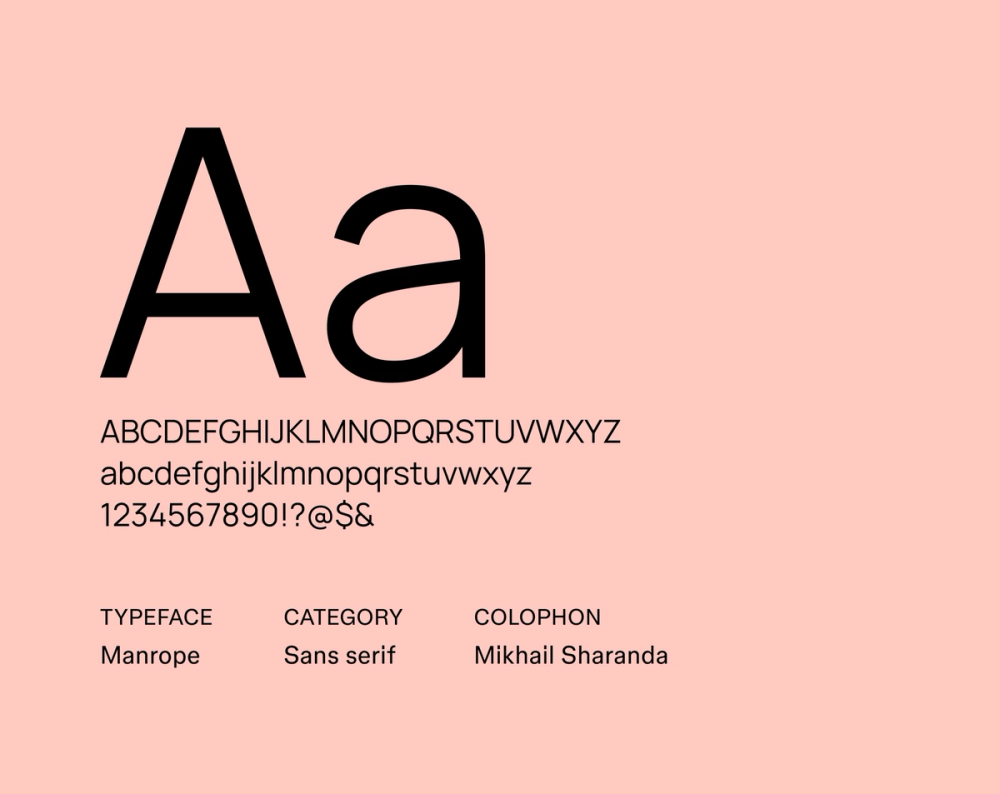
Sans-serif fonts are the backbone of minimalist design. By removing the “serifs” (the small feet at the ends of strokes), these fonts achieve a sleek, modern look that feels industrial yet human.
Classic examples like Helvetica and Futura remain relevant, but the digital era has introduced new contenders like Inter, Montserrat, and Roboto. These fonts are designed for screens first. According to 2025 design industry statistics, over 80% of top-tier tech startups utilize custom or high-end sans-serif fonts for their primary branding. The lack of decoration makes these fonts incredibly versatile, working seamlessly across different mediums without losing their distinct personality.
There is a common misconception that all minimalist fonts must be sans-serif. However, minimalist serifs have become a major trend in luxury branding and editorial design. The key is in the “weight.”
Minimalist serifs, often referred to as “Modern” or “Didone” styles, feature high contrast between thick and thin lines but maintain a very clean, structured appearance. Think of fonts like Playfair Display or Bodoni. When used with ample white space, these fonts convey tradition and luxury without the “fussy” feel of old-style calligraphy. Case studies in the luxury fashion industry show that brands using high-contrast minimalist serifs see a higher perceived value from consumers compared to those using standard block fonts.
Geometric fonts are built using perfect circles and straight lines, heavily influenced by the Bauhaus movement of the early 20th century. These fonts represent the intersection of math and art.
Fonts like Gotham, Futura, and ITC Avant Garde are the ultimate expression of geometric minimalism. They feel honest, sturdy, and objective. In the architecture and interior design sectors, geometric fonts are preferred because they mirror the structural lines of modern buildings. Because they are so balanced, they are excellent for “all-caps” headlines, where the symmetry of the letters creates a visually satisfying block of text that anchors the entire design.
Once reserved for coding and typewriters, monospace fonts (where every letter takes up the same amount of horizontal space) have found a new home in minimalist graphic design.
Monospace fonts like IBM Plex Mono or Space Mono offer a “raw” and “tech-forward” aesthetic. They are inherently minimalist because they follow a strict grid system. This makes them perfect for brutalist-minimalism, a style that favors honesty and structure over polished perfection. Designers often use monospace fonts for small details—like captions, dates, or navigation menus—to give the design a precise, engineered feel that contrasts beautifully with large, sweeping photography.
In minimalism, the “weight” of a font is as important as the style. Ultra-light and Thin weights are the hallmarks of modern elegance.
When you use an ultra-light weight of a font like Helvetica Neue or Avenir, you create a sense of ethereal beauty. These weights require high resolution to be legible, making them a status symbol of high-quality digital displays. However, designers must be cautious. Statistics from accessibility audits in 2024 indicate that text that is too thin often fails contrast requirements for visually impaired users. To maintain a minimalist look while staying inclusive, designers often pair thin headlines with slightly heavier sub-headers for better readability.
Minimalist fonts cannot exist in a vacuum. Their beauty is defined by the space around them. Negative space acts as a frame, focusing the viewer’s eye on the typography.
A frequent mistake in “faux-minimalism” is choosing a clean font but crowding the layout. True minimalist design utilizes “macro white space” (space between major elements) and “micro white space” (space between letters and lines). Increasing the leading (line height) can make a standard font feel more minimalist and premium. A 2025 eye-tracking study revealed that users stay on a page 15% longer when the typography is framed by generous white space, as it reduces cognitive load and eye fatigue.
One of the most significant moments in minimalist typography was Apple’s transition to their custom font, San Francisco. Before this, they used Helvetica, which is beautiful but was not designed for the tiny screens of the Apple Watch.
Apple created San Francisco to be the ultimate functional minimalist font. It changes its shape based on its size (a feature of variable fonts). At large sizes, the letters are closer together to look sleek; at small sizes, they open up to stay readable. This case study highlights that minimalist fonts aren’t just about looking good—they are about solving engineering problems. By creating a unified, minimalist typeface across all devices, Apple strengthened its brand identity as the leader in clean, user-centric design.
The secret to a great minimalist design is often the “contrast” between two fonts. Pairing a sharp geometric sans-serif with a soft, elegant serif creates a balanced visual hierarchy.
When pairing, the rule of thumb is “Similarity is the Enemy.” If you use two fonts that are almost the same, the design looks like a mistake. Instead, pair a bold, heavy headline with a light, airy body font. Or, pair a very technical monospace font with a classic, humanistic sans-serif. In 2026, the trend is “extreme pairing”—combining a giant, thin display font with tiny, bold metadata to create a dynamic, modern layout that guides the reader’s eye across the page.
As we look toward the future of the digital era, minimalist fonts are becoming “alive.” Variable font technology allows typography to react to the user’s environment.
In 2026, we are seeing “context-aware” typography. A font might become slightly bolder if the user is in a brightly lit room or expand its spacing if the user is reading on a fast-moving train. Furthermore, AI is now being used to generate “minimalist variations” of classic typefaces, tailoring the font’s weight and curves to match a specific brand’s emotional tone. The future of minimalism is not static; it is a fluid, responsive experience that prioritizes the user’s needs while maintaining a clean, aesthetic core.
Minimalist font styles are the foundation of modern visual communication. By choosing clarity over decoration, designers can create experiences that are both beautiful and highly functional.
Whether you are designing for a global corporation or a personal portfolio, minimalist typography ensures that your message is heard clearly in a world full of noise. It is a timeless style that proves that when you have something important to say, you don’t need to shout—you just need the right font.