

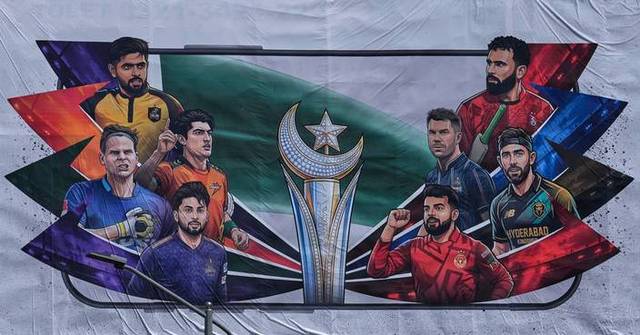
The Pakistan Super League (PSL), Pakistan’s premier Twenty20 cricket tournament, has long been more than just a sporting event. It represents national pride, entertainment, economic activity, and the revival of international cricket within Pakistan. In 2026, the Pakistan Super League returns after Iran war fan disruption, bringing renewed hope to fans and organisers alike. However, the 2026 edition of the PSL faced one of the most unusual disruptions in the tournament’s history when regional instability linked to the Iran war caused major operational challenges, fuel shortages, travel restrictions, and spectator bans.
After weeks of uncertainty, empty stadiums, and declining fan engagement, the Pakistan Super League finally welcomed spectators back into stadiums. The return marked a symbolic moment not only for Pakistani cricket but also for sports resilience in times of geopolitical tension.
The disruption highlighted how global conflicts can affect sporting events far beyond the immediate war zone. Rising fuel costs, transportation limitations, logistical problems, security concerns, and economic pressure created a difficult environment for tournament organizers, players, broadcasters, sponsors, and supporters alike.
This article explores the full story behind the Pakistan Super League’s disrupted season, the impact of the Iran war on Pakistani sports, the return of spectators, operational challenges, fan reactions, economic implications, and what this crisis means for the future of cricket in Pakistan.
The Pakistan Super League was established in 2015 by the Pakistan Cricket Board (PCB) to revitalize domestic cricket and bring international attention back to Pakistan after years of security-related isolation.
Over the years, the PSL evolved into one of the world’s most watched T20 leagues alongside competitions such as:
The PSL has played a critical role in:
Franchises such as Lahore Qalandars, Karachi Kings, Islamabad United, Peshawar Zalmi, Multan Sultans, and Quetta Gladiators have built loyal fan bases both domestically and internationally.
The 2026 PSL season coincided with escalating geopolitical tensions involving Iran. The regional conflict triggered widespread economic consequences across neighboring countries, including Pakistan.
One of the biggest issues was the severe fuel crisis caused by disruptions to energy supply chains and shipping routes near the Strait of Hormuz. Reports indicated that rising fuel costs forced Pakistan’s government to implement austerity measures and encourage citizens to limit travel and work remotely.
As a result, authorities decided to hold PSL matches behind closed doors to reduce unnecessary travel and fuel consumption.
The decision dramatically changed the atmosphere of Pakistan’s most important cricket tournament.
The Pakistan Cricket Board and government officials faced a difficult dilemma. On one hand, canceling the tournament entirely would have caused massive financial losses and damaged Pakistan’s cricketing reputation. On the other hand, allowing large crowds to travel during a national fuel crisis was considered irresponsible.
The government ultimately decided that:
The original six-city hosting plan was scaled back significantly to conserve fuel and reduce travel requirements.
The absence of fans created eerie scenes reminiscent of the COVID-19 pandemic era. Television broadcasters even used artificial crowd noise to improve the viewing experience for audiences watching at home.
Cricket in Pakistan is deeply emotional and culturally significant. Stadium atmospheres during PSL matches are known for their passion, noise, music, flags, and energetic supporters.
Without fans, many players and viewers felt the tournament lacked excitement and authenticity.
Social media reactions reflected widespread disappointment among supporters. Reddit discussions and fan forums highlighted frustration regarding:
Some fans argued that the tournament should have been postponed entirely, while others supported continuing the league despite difficult circumstances.
The spectator ban affected multiple sectors connected to the PSL ecosystem.
Restaurants, hotels, transportation providers, and street vendors around stadiums suffered major losses due to reduced matchday crowds.
Normally, PSL matches generate substantial economic activity in host cities. Fans traveling for games contribute to:
The absence of spectators significantly reduced these economic benefits.
Brands invest heavily in PSL sponsorships because of stadium visibility and audience engagement. Empty venues diminished the visual appeal of televised matches.
Marketing analysts noted concerns about declining viewership and weaker fan engagement during the spectator ban period.
Online cricket communities observed noticeable drops in tournament hype and excitement.
After weeks of pressure from franchises, cricket supporters, and stakeholders, Pakistan Prime Minister Shehbaz Sharif approved the return of spectators for the remaining playoff matches and final.
The decision represented a major turning point for the tournament.
According to officials, the reopening of stadiums came with recommendations encouraging supporters to:
The Pakistan Cricket Board welcomed the move as a positive step toward restoring normalcy.
Although fans were finally allowed back into stadiums, the reopening process faced immediate logistical problems.
One major issue occurred ahead of a playoff match between Islamabad United and Peshawar Zalmi in Karachi. Ticket distribution was delayed after a cargo flight carrying printed tickets from Lahore was canceled.
As a result:
League CEO Salman Naseer acknowledged the difficulties and explained that organizers had limited preparation time after the government approved spectator returns only one day earlier.
Despite the delays, thousands of fans eventually entered the stadium and created the lively atmosphere that had been missing throughout the tournament.
The return of fans transformed the energy of the PSL almost instantly.
Cricket players often describe crowd support as a psychological advantage that improves motivation and intensity. The Karachi playoff crowd responded passionately, especially during Peshawar Zalmi captain Babar Azam’s brilliant century.
The scenes inside the stadium demonstrated:
For many fans, returning to stadiums symbolized hope and recovery after weeks of uncertainty linked to regional tensions.
The PSL disruption serves as an important case study of how geopolitical conflicts can impact sports industries.
The tournament also faced concerns regarding international player participation. Some foreign cricketers reportedly considered withdrawing due to regional instability and security fears.
Similar concerns had emerged during previous India-Pakistan tensions, where logistical support and technical systems such as DRS and Hawkeye were disrupted.
Players competing in the PSL faced unusual psychological and professional pressures during the disrupted tournament.
Many cricketers had to adapt to:
Foreign players in particular faced difficult decisions regarding personal safety and career commitments.
Despite these challenges, many international stars continued participating in the tournament, helping maintain PSL’s competitive quality.
Television and digital streaming became even more important during the spectator ban.
Broadcasters attempted to compensate for the lack of live crowds through:
However, many fans argued that the atmosphere still felt noticeably diminished compared to traditional PSL seasons.
Sports analysts noted that fan engagement and television ratings appeared weaker during the no-crowd phase.
Social media platforms became major spaces for debate during the PSL disruption.
Fans expressed mixed opinions:
Reddit discussions reflected concerns about declining league standards, reduced marketing efforts, and broader frustrations surrounding Pakistan cricket administration.
At the same time, many supporters appreciated the PCB’s efforts to keep the tournament alive under difficult conditions.
The PSL crisis highlighted broader challenges facing Pakistan cricket.
Pakistan has spent years rebuilding international confidence in hosting cricket events after security incidents in the late 2000s.
The successful return of international cricket to Pakistan was considered a major achievement. However, regional instability once again demonstrated how external geopolitical events can threaten sporting progress.
The Pakistan Super League represents a major revenue source for the PCB.
Revenue streams include:
Any prolonged disruption to the PSL could significantly impact Pakistan cricket finances and development programs.
The PSL is not the first sporting competition affected by geopolitical or economic crises.
During the COVID-19 pandemic, leagues worldwide operated without spectators.
Similarities included:
The Russia-Ukraine conflict forced several sporting relocations and disrupted international competitions.
These examples demonstrate that modern sports are increasingly vulnerable to global instability.
The PSL disruption also exposed the close relationship between energy security and sports management.
Pakistan’s heavy dependence on imported fuel made the country vulnerable to supply disruptions linked to the Iran conflict.
Analysts noted concerns about:
Online discussions within Pakistan highlighted public anxiety regarding fuel availability and rising living costs during the regional crisis.
The PSL crisis reinforced the importance of fans in modern cricket.
Supporters contribute more than ticket revenue. They create:
Without fans, even high-quality cricket can feel emotionally incomplete.
The dramatic improvement in atmosphere after spectators returned proved how essential live audiences are to sports entertainment.
The 2026 PSL season provided important lessons for sports administrators.
Leagues must prepare for geopolitical, economic, and logistical disruptions.
Strong online engagement strategies can help maintain audience interest during crises.
Sports organizations need adaptable operational systems capable of responding quickly to emergencies.
Close cooperation between sports authorities and government agencies proved essential during the crisis.
Despite numerous challenges over the years, Pakistani cricket has consistently demonstrated resilience.
The PSL survived:
The successful return of fans after the Iran war disruption became another chapter in Pakistan cricket’s long history of overcoming adversity.
Looking ahead, the PSL remains a crucial part of Pakistan’s sports ecosystem.
Future priorities may include:
Cricket experts believe the PSL still possesses significant growth potential despite temporary setbacks.
The passion of Pakistani cricket fans continues to be one of the league’s greatest strengths.
The return of the Pakistan Super League after disruptions linked to the Iran war demonstrated the deep connection between sports, society, politics, and economics. What began as a cricket tournament became a reflection of broader regional tensions, energy insecurity, logistical challenges, and national resilience.
The spectator ban transformed the PSL into an unusually silent and emotionally distant tournament. Empty stadiums, reduced travel, ticketing problems, and economic uncertainty tested the patience of fans, players, sponsors, and organizers alike. Yet the eventual return of crowds restored the vibrant atmosphere that defines Pakistan cricket.
The crisis highlighted how global geopolitical conflicts can ripple far beyond borders and affect industries such as sports in unexpected ways. At the same time, the PSL’s survival showed the resilience of Pakistani cricket and the enduring passion of its supporters.
As the Pakistan Super League moves forward, the lessons learned from this difficult season may ultimately strengthen the league’s future. Better planning, stronger infrastructure, and adaptive crisis management could help ensure that Pakistan’s premier cricket competition continues to thrive despite future uncertainties.
For millions of fans, the return of the PSL crowds was about more than cricket. It symbolized perseverance, unity, and the enduring power of sport to bring people together even during challenging times.