

Smart automation is no longer a futuristic concept confined to science fiction movies or high-tech laboratories. Integrating smart automation into daily human life is a reality for many, and it has become an integral part of modern human life, influencing how people work, communicate, travel, shop, manage health, and even relax. From voice assistants that control household appliances to artificial intelligence systems that predict consumer behavior, automation is transforming daily routines with unprecedented speed.
The integration of smart automation into daily human life represents one of the most significant technological revolutions of the 21st century. Businesses, governments, healthcare providers, educational institutions, and households are increasingly leveraging intelligent systems to improve efficiency, reduce costs, and enhance convenience. As machine learning, robotics, Internet of Things (IoT), and cloud computing continue to evolve, automation is becoming more personalized, adaptive, and accessible.
This article explores the growing role of smart automation in modern life, its benefits and challenges, real-world applications, emerging trends, and the ethical considerations surrounding its widespread adoption.
Smart automation refers to the use of advanced technologies such as artificial intelligence (AI), machine learning, robotics, and data analytics to perform tasks with minimal human intervention. Unlike traditional automation, which follows predefined rules, smart automation systems can learn from data, adapt to changing conditions, and make intelligent decisions.
Smart automation combines multiple technologies, including:
Together, these technologies create systems capable of understanding environments, processing information, and responding dynamically to human needs.
Automation has evolved dramatically over the past century. Early industrial automation focused on mechanical systems in factories. Assembly lines introduced by Henry Ford revolutionized manufacturing by improving speed and consistency. However, these systems lacked intelligence and flexibility.
The digital revolution of the late 20th century introduced computers and programmable systems. Businesses began automating repetitive office tasks such as payroll processing and inventory management.
Today, smart automation goes beyond repetitive processes. AI-powered systems can recognize speech, analyze medical scans, drive vehicles, and generate human-like text. The evolution from mechanical automation to cognitive automation marks a significant shift in how technology interacts with human life.
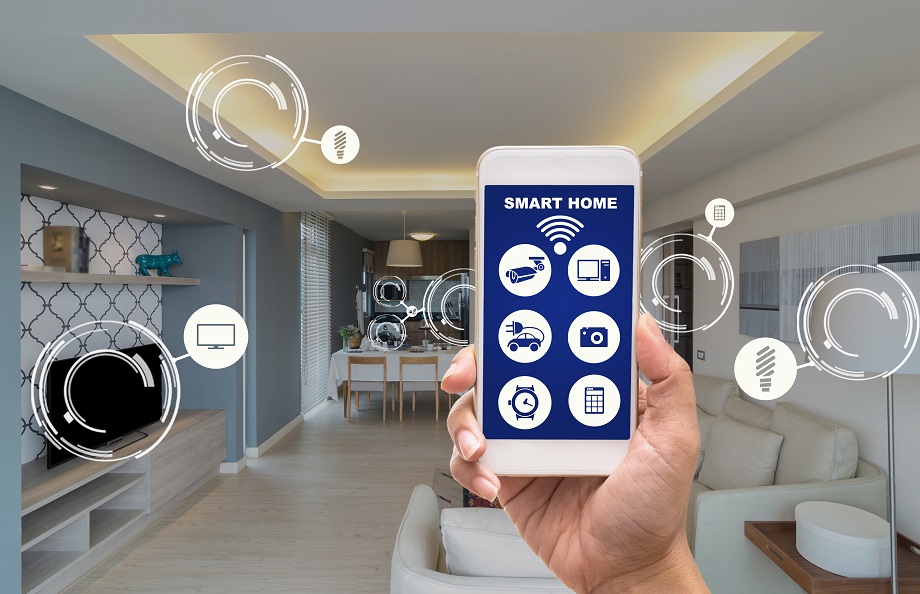
One of the most visible examples of smart automation is the modern smart home. Home automation systems allow individuals to control lighting, security, temperature, appliances, and entertainment systems using smartphones or voice commands.
Devices such as robotic vacuum cleaners can map rooms, avoid obstacles, and clean autonomously. Smart thermostats learn household routines and optimize energy consumption accordingly.
According to industry reports, the global smart home market is expected to exceed hundreds of billions of dollars within the next decade due to increasing consumer demand for convenience and energy efficiency.
A family living in a metropolitan city installed a smart home energy management system integrated with solar panels and IoT sensors. The system automatically adjusted lighting and air conditioning based on occupancy and weather conditions. Within a year, the household reduced energy consumption by nearly 30%, demonstrating how automation can contribute to sustainability and cost savings.
Healthcare is experiencing a technological transformation driven by automation and AI. Hospitals and clinics are increasingly adopting smart systems to improve patient outcomes, reduce administrative burdens, and optimize medical workflows.
AI-powered diagnostic tools can analyze medical images with remarkable accuracy, helping doctors detect diseases such as cancer at earlier stages. Remote monitoring devices enable patients with chronic illnesses to receive continuous care from home.
Robotic-assisted surgeries have significantly improved precision in complex medical procedures. Surgeons can perform minimally invasive operations with enhanced accuracy, leading to reduced recovery times and lower risks of complications.
For example, robotic systems used in cardiovascular and orthopedic surgeries have improved procedural outcomes while minimizing patient discomfort.
During the COVID-19 pandemic, automation played a crucial role in healthcare systems worldwide. AI algorithms helped researchers analyze infection patterns, while robots assisted in disinfecting hospitals and delivering supplies. Telemedicine platforms enabled millions of patients to consult doctors remotely.
Transportation is another sector undergoing dramatic changes due to automation. Self-driving technologies, intelligent traffic systems, and automated public transportation are reshaping mobility.
Autonomous vehicles use sensors, cameras, radar, and AI algorithms to navigate roads without human intervention. Companies developing self-driving cars aim to improve road safety and reduce traffic congestion.
Human error contributes to the majority of road accidents globally. Smart automation in vehicles has the potential to significantly reduce collisions through real-time monitoring and predictive decision-making.
Cities around the world are implementing smart transportation infrastructure, including:
Smart traffic lights can analyze congestion patterns and dynamically adjust signal timing, reducing travel delays and fuel consumption.
Warehouses and delivery services increasingly rely on automation. Robots sort packages, drones deliver goods, and AI systems optimize shipping routes.
Major e-commerce companies use robotic fulfillment centers where automated systems manage inventory with exceptional speed and precision.
Education is becoming more personalized and accessible through smart automation technologies.
AI-driven educational platforms analyze student performance and adapt lessons to individual learning styles. Students receive customized recommendations and feedback, improving engagement and comprehension.
Schools and universities use automation to streamline administrative tasks such as:
This allows educators to focus more on teaching and student interaction rather than repetitive paperwork.
Automation technologies support virtual learning environments where students can access lectures, assessments, and collaboration tools online. AI tutors provide instant support and answer questions in real time.
The rapid adoption of remote learning during the pandemic accelerated innovation in educational automation and digital accessibility.
The workplace is evolving rapidly as organizations integrate automation into operations and decision-making processes.
Robotic Process Automation (RPA) handles repetitive office tasks such as invoice processing, payroll management, and data entry. Employees can focus on creative and strategic responsibilities instead.
Chatbots and virtual assistants now provide 24/7 customer support. These systems can answer questions, process requests, and resolve issues efficiently.
Businesses using AI-powered customer support often experience shorter response times and improved customer satisfaction.
Automation tools support remote work environments by facilitating communication, project management, and workflow automation. Smart scheduling assistants coordinate meetings across time zones, while AI tools summarize discussions and generate reports.
Retail and e-commerce industries have embraced automation to improve shopping experiences and optimize operations.
Retailers use AI and automation for:
Recommendation algorithms analyze browsing history and purchasing patterns to suggest products tailored to customer preferences.
Automated retail stores equipped with sensors and computer vision technologies allow customers to enter, pick products, and leave without traditional checkout lines. Payment is processed automatically through digital systems.
This innovation reduces waiting times and enhances convenience for consumers.
The financial sector has become increasingly dependent on automation and AI-driven services.
AI systems can analyze millions of transactions in real time to detect suspicious activities and prevent fraud.
Investment platforms use automated financial advisors known as robo-advisors to provide portfolio management services. These systems analyze market conditions and investor preferences to recommend investment strategies.
Automation has made financial services more accessible to individuals who previously lacked access to professional investment guidance.
The Internet of Things is a fundamental component of smart automation. IoT refers to networks of interconnected devices that communicate and exchange data.
IoT devices collect real-time data that automation systems use to make intelligent decisions. For example, smart irrigation systems monitor soil moisture and weather forecasts to optimize water usage in agriculture.
Artificial intelligence serves as the foundation of smart automation. AI enables systems to recognize patterns, process language, and make predictions.
Machine learning algorithms improve over time by analyzing data. Streaming services use machine learning to recommend movies and music based on user preferences.
Natural language processing allows machines to understand and generate human language. Voice assistants and translation applications rely heavily on NLP technologies.
Computer vision enables machines to interpret visual information. Applications include facial recognition, medical imaging analysis, and autonomous driving systems.
Smart automation offers numerous benefits across various aspects of human life.
Automation significantly reduces the time required to complete repetitive tasks, increasing productivity in homes and workplaces.
Automated systems minimize human error, particularly in data-intensive processes such as accounting and diagnostics.
Smart devices simplify daily activities and create more comfortable living environments.
Businesses and households can reduce operational expenses through energy optimization and streamlined workflows.
AI systems analyze large datasets quickly, enabling informed decisions based on real-time insights.
Despite its advantages, smart automation also presents significant challenges and ethical concerns.
Automation may replace certain repetitive or routine jobs, particularly in manufacturing, transportation, and administrative sectors.
However, experts also argue that automation creates new opportunities in technology development, maintenance, and data analysis.
Smart devices collect large amounts of personal data. Concerns about surveillance, data misuse, and unauthorized access continue to grow.
Connected systems are vulnerable to cyberattacks. A compromised smart home or healthcare system could have serious consequences.
Excessive reliance on automation may reduce human skills and create vulnerabilities during system failures.
AI systems sometimes face ethical dilemmas, particularly in autonomous vehicles and healthcare applications where decisions can impact human lives.
The future of smart automation promises even deeper integration into daily human life.
Future systems will provide highly personalized experiences based on individual habits, preferences, and behaviors.
Rather than replacing humans entirely, future automation will increasingly focus on collaboration between humans and intelligent systems.
Urban environments are evolving into smart cities equipped with interconnected infrastructure.
Smart cities may include:
Robots will likely become more adaptable and capable of assisting humans in healthcare, construction, hospitality, and domestic tasks.
Automation technologies are also expected to play a critical role in future space missions. Autonomous robots and AI systems can perform complex operations in environments too dangerous for humans.
As automation becomes increasingly integrated into society, maintaining a balance between technological advancement and human values is essential.
Developers and policymakers must ensure that automation systems are transparent, fair, and accountable.
Education systems should prepare individuals for an automated future by emphasizing digital literacy, critical thinking, and adaptability.
Access to smart automation technologies should be equitable to prevent widening socioeconomic disparities.
Singapore has implemented extensive smart city technologies, including intelligent traffic systems, digital public services, and automated environmental monitoring.
The initiative demonstrates how governments can leverage automation to improve urban living and public service efficiency.
Amazon’s automated warehouses use robotics and AI systems to manage inventory, sort packages, and streamline delivery processes.
The company’s fulfillment centers illustrate how automation can enhance operational efficiency while handling massive logistical demands.
Japan has adopted robotic caregiving systems to support its aging population. This approach highlights how automation can address demographic challenges and improve quality of life.
Smart automation can contribute positively to environmental sustainability.
Automated energy systems optimize electricity usage and reduce waste.
Farmers use smart automation to monitor crops, reduce water consumption, and improve agricultural efficiency.
Smart transportation systems and optimized logistics can lower fuel consumption and greenhouse gas emissions.
However, increased production of electronic devices and data centers also raises environmental concerns related to electronic waste and energy demand.
Humans are gradually adapting to a world where automation is embedded in daily routines. Younger generations are growing up with digital assistants, automated services, and connected devices as standard parts of life.
Adaptation involves not only learning to use new technologies but also understanding their implications for privacy, ethics, employment, and social interaction.
These skills are less likely to be replaced by automation and will remain highly valuable in future economies.
Integrating smart automation into daily human life is reshaping society in profound ways. From smart homes and healthcare systems to transportation, education, finance, and environmental management, automation is enhancing convenience, efficiency, and productivity across nearly every aspect of modern living.
While the benefits of smart automation are immense, challenges such as privacy concerns, cybersecurity risks, ethical dilemmas, and workforce displacement require thoughtful solutions. Governments, businesses, educators, and individuals must collaborate to ensure that automation technologies are developed responsibly and inclusively.
The future of smart automation is not about replacing humans but empowering them. Intelligent systems can augment human capabilities, improve quality of life, and help address some of humanity’s most pressing challenges. By embracing innovation while preserving human values, society can create a future where technology serves as a powerful partner in everyday life